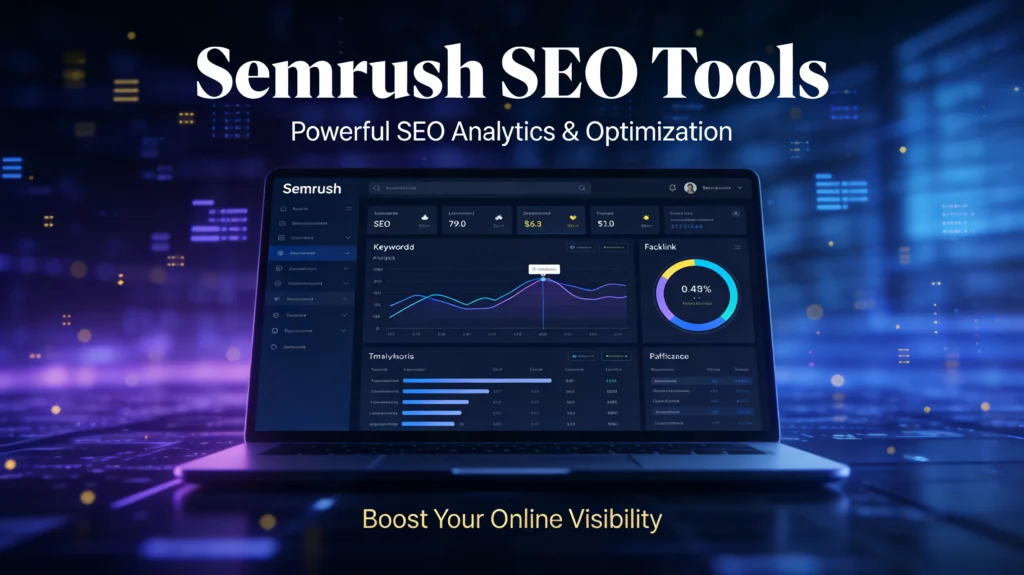
Semrush is an all‑in‑one SEO analytic tool that helps you research keywords, analyze competitors, audit your site, and track rankings in one dashboard, making it one of the most complete SEO tools for bloggers, agencies, and businesses in 2025. This Semrush SEO analytic tool blog will walk through what Semrush is, what it does, how to use each core SEO analytic tool inside the platform, and how the Semrush free vs paid plans compare so you can choose the right SEO tool setup for your website.
What is Semrush SEO analytic tool?
Semrush is a cloud‑based SEO analytic tool designed to improve your visibility on Google and other search engines by combining keyword research, competitor analysis, site audits, and content optimization in one SEO tool suite. In simple words, Semrush SEO analytic tool collects data from billions of keywords and domains, then turns this SEO analytic data into clear reports that show how your site and your competitors perform in search.
For anyone serious about SEO, Semrush becomes the central SEO analytic tool for planning content, tracking rankings, and fixing technical problems before they hurt traffic. Because the Semrush SEO tool covers so many SEO tasks in one place, it often replaces multiple smaller SEO tools like separate rank trackers, backlink checkers, and keyword analytic tools.
Why Semrush SEO tool is used
The Semrush SEO analytic tool is used to find profitable keywords, understand what competitors are doing, and optimize pages so they rank higher and bring in targeted traffic and leads. Marketers, bloggers, ecommerce brands, and agencies use this SEO tool to research topics, plan content calendars, and measure how well their SEO campaigns perform over time.
Because the Semrush SEO tool offers deep analytic data on both organic and paid search, it is also popular for PPC research, display ads analysis, and overall digital marketing strategy. In 2025, Semrush has also added AI‑powered SEO analytic features that make it easier to choose realistic keywords based on your topical authority and ranking potential, which pushes this SEO tool ahead of many rivals.
Core capabilities of Semrush SEO analytic tool
The strength of the Semrush SEO analytic tool comes from its wide range of interconnected SEO tools and reports. Each Semrush SEO tool focuses on a specific SEO job but shares data across the platform, so your keyword, backlink, and site audit insights all work together.
Key Semrush SEO analytic capabilities include:
- Domain Overview to see a full SEO analytic snapshot of any site: traffic, keywords, and top pages.
- Organic Research to analyze competitor SEO keywords, positions, and SERP features.
- Keyword Overview and Keyword Magic Tool for in‑depth SEO keyword research and long‑tail keyword discovery.
- Position Tracking to monitor daily ranking changes for your target SEO keywords.
- Site Audit to catch technical SEO issues, Core Web Vitals problems, and crawling errors.
- Backlink Analytics and Backlink Audit tools for link profile analysis and toxic link cleanup.
- On Page SEO Checker to generate page‑level SEO recommendations based on top results.
These Semrush SEO analytic tools work together so that when you research a keyword, you can instantly check competition, analyze backlinks, audit relevant pages, and then track rankings, all inside the same SEO tool workflow.
Main features of Semrush SEO tool
The Semrush SEO tool includes dozens of features, but a few stand out as essential for daily SEO work. Understanding these core SEO analytic tools will help you get more value and keep your Semrush SEO strategy efficient.
Semrush SEO keyword research tools
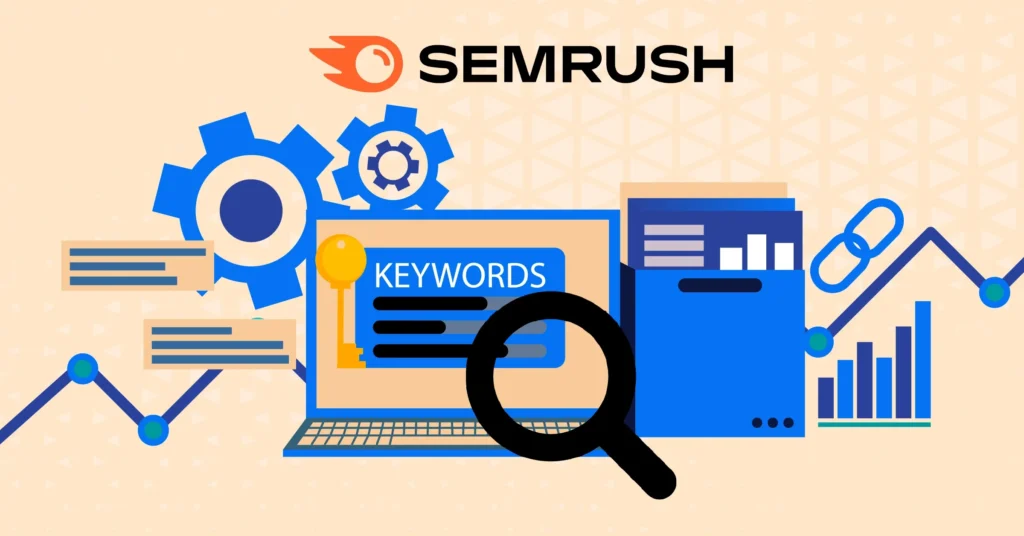
Semrush is widely known for its powerful SEO keyword research features, which sit at the heart of any SEO analytic strategy. You can search a seed keyword or a competitor domain and instantly see keyword volume, difficulty, intent, CPC, and related keyword ideas inside the Semrush SEO tool.
Important Semrush SEO keyword tools:
- Keyword Overview for quick SEO analytic insights on volume, difficulty, and SERP snapshot.
- Keyword Magic Tool for huge lists of related and long‑tail SEO keywords grouped by topics and questions.
- Keyword Strategy Builder (in newer Semrush SEO toolkits) to group keywords by intent and map them to pages.
With these Semrush SEO analytic tools, you can build a full content plan around clusters of related SEO keywords instead of chasing random terms.
Semrush SEO competitor analysis tools
The Semrush SEO analytic tool is also excellent for competitor analysis, which is critical if you want to outrank others in your niche. By entering a rival domain into the Semrush SEO tool, you can see their top pages, top keywords, traffic trends, and backlink profile.
Useful Semrush SEO competitor tools:
- Domain Overview for high‑level SEO analytic data on any competitor.
- Organic Research to see where competitor SEO traffic comes from and which keywords drive it.
- Keyword Gap to compare your SEO keyword profile with up to five competitors and find missing opportunities.
- Backlink Gap to discover sites that link to competitors but not to you.
This Semrush SEO analytic view helps you spot keyword gaps, content gaps, and link gaps so you can plan your SEO tool strategy around real data, not guesswork.
Semrush SEO site audit and technical tools
Technical SEO problems can silently kill rankings, and the Semrush SEO Site Audit tool is built to prevent that. With one crawl, the Semrush SEO analytic tool flags issues like broken links, redirect chains, slow pages, duplicate content, and missing meta tags.
Core Semrush technical SEO tools:
- Site Audit for full technical and on‑page SEO analytic reporting.
- On Page SEO Checker for page‑specific recommendations based on top‑ranking competitors.
- Organic Traffic Insights to combine Google Analytics, Search Console, and Semrush SEO data in one place.
By running regular Semrush SEO audits, you maintain a healthy site and give your content the best chance to rank.
Semrush backlink and link‑building tools
Backlinks remain a major ranking factor, so the Semrush SEO analytic tool gives you deep visibility into your link profile. You can see how many backlinks you have, which domains link to you, anchor text distribution, and potentially toxic links that may harm your SEO.
Key Semrush link‑related SEO tools:
- Backlink Analytics to explore your own links and competitor link profiles.
- Backlink Audit to flag toxic or spammy links and help with disavow workflows.
- Link Building Tool to manage outreach campaigns and track link prospects.
- Bulk Analysis for checking multiple domains and URLs at once for link metrics.
These Semrush SEO analytic features make it easier to run targeted link‑building campaigns and protect your site from low‑quality links.

Long‑tail and short‑tail SEO keywords you can target with Semrush
When using the Semrush SEO tool, combining short‑tail and long‑tail SEO keywords improves traffic and conversions. Short‑tail keywords bring volume, while long‑tail SEO keywords bring high intent and easier rankings.
Examples of short‑tail SEO keywords with Semrush:
- semrush
- semrush seo
- seo tool
- seo analytic tool
- keyword research tool
- backlink tool
Examples of long‑tail SEO keywords with Semrush:
- how to use semrush seo tool for beginners
- best semrush seo analytic tool settings for small business
- semrush vs other seo analytic tools comparison
- semrush site audit step by step guide
- how to do keyword research in semrush seo tool
- semrush free vs paid seo tool features
Using the Semrush SEO keyword tools, you can quickly find even more long‑tail ideas, filter by difficulty, and build topic clusters that support your main SEO keywords.
How to use Semrush SEO analytic tool step by step
This section explains a simple, practical workflow so you can use the Semrush SEO analytic tool without feeling overwhelmed. The flow moves from keyword research to content planning, optimization, and tracking, so every Semrush SEO tool is part of a clear process.
Step 1: Set up your Semrush SEO project
After creating an account, the first task is to create a project inside the Semrush SEO tool for your domain. This unlocks key SEO analytic modules like Site Audit, Position Tracking, and On Page SEO Checker for your site.
Basic project setup tasks:
- Add your domain and brand name in the Semrush SEO project wizard.
- Connect Google Analytics and Search Console for richer SEO analytic data.
- Select your target country and main search engine for accurate SEO rankings.
- Set up Position Tracking with your core SEO keywords from your first research round.
This helps the Semrush SEO tool start collecting live analytic data for your site from day one.
Step 2: Do keyword research with Semrush SEO tools
Next, use the Semrush Keyword Overview and Keyword Magic Tool to build your keyword list. This is where the Semrush SEO analytic engine shines because it reveals thousands of related terms, questions, and variations in minutes.
A practical Semrush SEO research flow:
- Enter a broad SEO keyword (like “semrush review” or “seo analytic tool”) in Keyword Overview.
- Note search volume, keyword difficulty, and SERP features for a quick SEO analytic snapshot.
- Click into Keyword Magic Tool to expand the seed keyword into a list of long‑tail and question‑based SEO keywords.
- Use filters for intent, difficulty, and volume to find realistic SEO keywords for your site’s authority.
- Export or save keyword groups inside Semrush SEO tool collections for later content planning.
By keeping your keyword list tight and relevant, you maintain high SEO relevance and avoid keyword stuffing while still using a strong mix of Semrush SEO analytic keywords.
Step 3: Analyze competitors inside Semrush SEO tool
Before writing content, run competitor research inside the Semrush SEO analytic tool. This reveals which topics and SEO keywords already work in your niche and where you can create better content.
Use this Semrush SEO competitor process:
- Open Domain Overview and enter your main competitor’s domain.
- Review their organic traffic trends, top SEO keywords, and top pages.
- Switch to Organic Research to see exact positions, URLs, and SERP features.
- Use Keyword Gap to compare your domain with competitors and find missing SEO keywords.
- Use Backlink Gap to identify link prospects that already trust your competitors.
These Semrush SEO analytic insights inform your content topics, internal linking, and link‑building strategy.
Step 4: Plan and optimize content using Semrush SEO tools
Once you know your keywords and competitors, use the Semrush SEO tool to plan and optimize content. Semrush’s content‑focused SEO analytic tools help you align posts with search intent and on‑page best practices.
Common Semrush SEO content tasks:
- Map each core SEO keyword cluster to a dedicated blog post or landing page.
- Use Semrush SEO content tools (like SEO Writing Assistant where available) to optimize headings, readability, and keyword usage.
- Ensure each URL has a clear title tag, meta description, H1, and subheadings aligned with your Semrush SEO analytic plan.
- Add internal links between related articles to strengthen topic clusters, using insights from Semrush SEO reports.
Following these Semrush SEO content practices keeps your posts easy to read, keyword‑focused, and aligned with search intent.
Step 5: Run regular site audits with Semrush SEO tool
Technical health keeps your SEO stable, so run regular Site Audits inside the Semrush SEO analytic tool. Weekly or monthly crawls help catch issues early and ensure your improvements are visible to Google.
Typical Semrush Site Audit actions:
- Scan the entire site and review overall health score, warnings, and errors.
- Fix broken internal links, redirect loops, and duplicate content flagged by the Semrush SEO analytic report.
- Improve page speed, mobile usability, and Core Web Vitals where needed.
- Re‑run the audit to confirm that problems are resolved and your Semrush SEO health score is rising.
This creates a continuous improvement loop powered by the Semrush SEO tool’s technical insights.
Step 6: Track rankings and measure SEO results
Finally, use Position Tracking and Domain Overview to measure how your Semrush SEO efforts pay off. These SEO analytic tools show which keywords are moving up, which pages perform best, and where you need more work.
In the Semrush SEO tracking phase:
- Monitor daily ranking changes for your target SEO keywords in Position Tracking.
- Segment data by device, location, and SERP features for deeper SEO analytic insights.
- Use Domain Overview to see long‑term trends in organic traffic, keyword count, and visibility.
- Tie results back to content updates, link campaigns, and technical improvements made using Semrush SEO tools.
This closes the loop and lets the Semrush SEO analytic data guide your next optimization cycle.
Semrush free vs paid SEO tool plans
Semrush offers a free plan and several paid plans (Pro, Guru, Business), and choosing between them depends on how deep you want to go with your SEO analytic work. The free Semrush SEO tool plan is useful for testing and very small projects, while paid plans unlock the full SEO toolset and higher limits.
What you get with Semrush free plan
The Semrush free SEO tool plan gives you access to a limited version of the main tools. You can run a small number of keyword lookups, domain reports, and site audit pages per day, which is enough to test Semrush SEO features on a small scale.
Typical Semrush free SEO tool limits:
- Basic access to Keyword Overview and limited Keyword Magic Tool results per day.
- Ability to create a small number of projects with restricted Site Audit and Position Tracking limits.
- Limited reports for Domain Overview and Backlink Analytics inside the Semrush SEO analytic tool.
The free Semrush SEO plan is ideal for beginners, students, or small hobby sites that only need a few quick SEO checks.
What you get with Semrush paid plans (Pro, Guru, Business)
Paid Semrush SEO tool plans unlock the platform’s full power and raise all key limits, which is crucial for agencies, serious bloggers, and growing businesses. The Pro, Guru, and Business tiers differ in the number of projects, reports, keywords tracked, and advanced SEO analytic features.
Key Semrush paid plan benefits:
- Much higher daily report limits for keyword, domain, and backlink analytic queries.
- More projects, larger Site Audit crawls, and more Position Tracking keywords.
- Access to advanced SEO tools like historical data, Content Marketing Toolkit, and extended keyword databases (depending on tier).
- Better collaboration features for teams using Semrush SEO tools at scale.
Some independent reviews note that Semrush Pro plan pricing usually starts in the low‑to‑mid three‑figure monthly range, with Guru and Business plans scaling up for larger teams and enterprise SEO analytic needs.
Semrush free vs paid plan comparison table
The table below compares core aspects of Semrush free vs paid SEO tool plans at a high level. Exact numbers may change over time, so always confirm on the official Semrush pricing page before subscribing.
When to choose Semrush free vs paid SEO tool
Deciding between the Semrush free and paid SEO tool plans depends on your volume of work and business goals. If you only run one small blog and check SEO occasionally, the free Semrush SEO analytic plan might be enough at first.
Upgrade to a paid Semrush SEO tool plan when:
- You manage multiple sites or client projects that need continuous SEO analytic monitoring.
- You need to track many keywords and run Site Audits on large websites.
- You rely on Semrush SEO data every day for keyword research, content planning, and reporting.
- You want access to more advanced SEO tools like historical data, AI‑assisted keyword analysis, and content marketing modules.
Most serious SEOs and agencies quickly outgrow the free Semrush SEO tool limits and move to Pro or higher.
Competitor styles and how to adapt them with Semrush SEO tool
Leading SEO blogs that review Semrush use clear, structured layouts with short paragraphs, subheadings, bullet points, and tables, which match how users scan content in an F‑shaped reading pattern. They focus on benefits, use many screenshots and examples, and clearly explain how each Semrush SEO analytic tool solves real SEO problems.
These high‑ranking Semrush SEO blogs also:
- Integrate target SEO keywords naturally in headings, intros, and body text without obvious keyword stuffing.
- Prioritize readability with short sentences, transition words, and simple language, which aligns with Semrush’s own blog guidelines.
- Use comparison sections and pricing breakdowns to help readers choose between Semrush SEO tool plans.
- Include practical, step‑by‑step instructions for using each Semrush SEO analytic feature.
Modeling this structure and flow makes your Semrush SEO blog more likely to match user expectations and perform well in search.
Final thoughts: is Semrush SEO analytic tool worth it?
For most serious marketers, bloggers, and agencies, the Semrush SEO analytic tool is worth using because it combines keyword research, competitor analysis, site audits, backlink tools, and reporting in one place. The Semrush free plan is helpful for testing, but the real power comes from the paid SEO tool plans that unlock higher limits and advanced features.
If you want one platform to manage your entire SEO workflow—from research to optimization to tracking—Semrush stands out as a leading SEO analytic tool in 2025. Start with the Semrush free SEO tool, learn the interface, and upgrade once your projects and SEO ambitions outgrow the free plan limits.










Leave a Comment